Before you build a website, you need two things: a domain name and hosting. Here’s what those actually mean and what you need to get.
-
Learn what is a domain name?
-
Learn what is hosting?
-
See how domain names and hosting work together
-
Learn what about SSL?
-
Learn what does it cost?
When you decide to build a website, the first thing you encounter is a wall of jargon. Domain names. Hosting. DNS. SSL certificates. cPanel. Bandwidth. Storage. Shared versus dedicated. The terminology alone is enough to make you close the laptop and go back to selling through Instagram DMs.
But here is the reassuring truth: the concepts behind those words are simple. Painfully simple. The tech industry just wraps them in language that makes everything sound more complicated than it is. Let us strip all of that away and explain what you actually need to get your business online.
What Is a Domain Name?
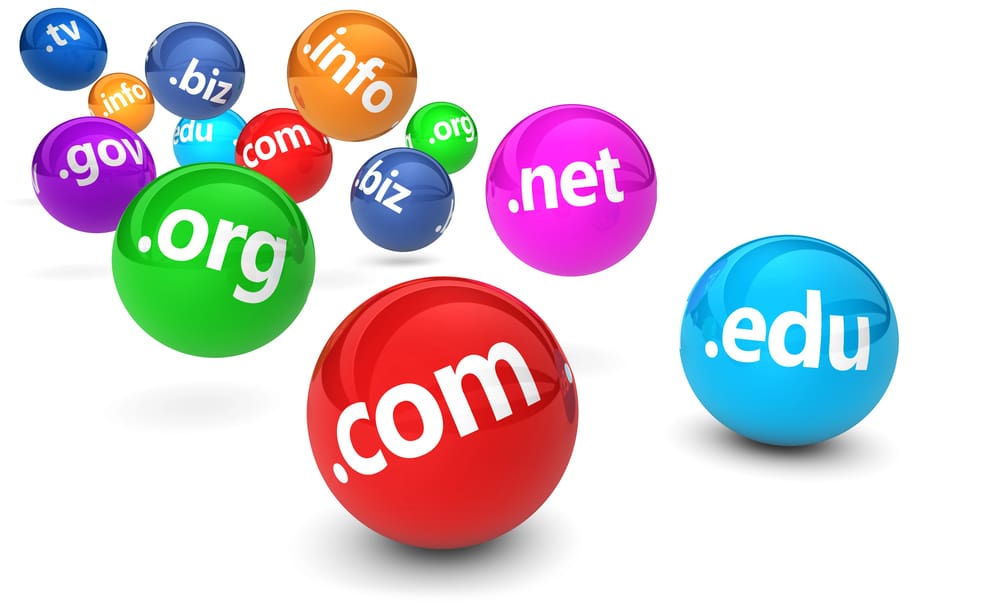
A domain name is your address on the internet. It is what people type into their browser to find you — like yourbusinessname.com. That is it. It is an address, the same way your physical business has a street address.
You do not automatically own a domain name just because it matches your business name. You have to register it, which means paying a small annual fee — usually between ten and twenty dollars per year — to reserve that address so nobody else can use it.
Where to buy one: Namecheap, Google Domains, GoDaddy, or directly through your hosting provider. The registrar does not affect your website’s performance — pick whichever feels easiest to use.
A few practical tips when choosing your domain. Keep it short and easy to spell. Avoid hyphens and numbers if you can. Dot-com is still the default that people expect, so grab it if it is available. If your exact business name is taken, try adding a word that relates to what you do — “shopname” or “studioname” — rather than using a different extension that people might not remember.
What Is Hosting?
If your domain name is your address, hosting is the building at that address. It is the computer — called a server — where your website’s files actually live. When someone types your domain name into their browser, the internet looks up where that domain points and loads your website from the server where it is hosted.
You rent hosting the same way you rent physical space. Monthly or annual plans, different sizes depending on your needs, and a range of prices from about five dollars a month to hundreds depending on how much traffic and power you need.
For most small business websites, the most basic hosting plan is more than enough. You do not need the premium package unless you are running a massive online store or getting hundreds of thousands of visitors per month. Start small. Upgrade later if you need to.
Popular hosting providers for small businesses include Bluehost, SiteGround, WPMU DEV, A2 Hosting, and Hostinger. Most of them offer one-click WordPress installation, which saves you from doing any of the technical setup yourself.
How Domain Names and Hosting Work Together
Think of it this way. You buy a domain name — that is your address. You buy hosting — that is your building. Then you point the domain to the hosting so that when someone goes to your address, they arrive at your building.
Most hosting providers make this connection automatic if you buy your domain and hosting from the same company. If you buy them separately, you will need to update your domain’s nameservers — which sounds technical but is really just copying two lines of text from your hosting provider into your domain registrar’s settings. Your hosting company will have step-by-step instructions for this.
What About SSL?
You will see “SSL certificate” mentioned everywhere when you set up a website. An SSL certificate is what puts the padlock icon next to your website’s URL and changes it from “http” to “https.” It means the connection between your visitor’s browser and your website is encrypted — their data is protected.
Do you need one? Yes, absolutely. Google flags websites without SSL as “not secure,” which scares visitors away. The good news is that most hosting providers include a free SSL certificate with their plans. It is usually activated with one click in your hosting dashboard.
If your hosting provider does not offer free SSL, you can get one from Let’s Encrypt at no cost. But most modern hosts include it automatically so you should not have to think about it.
What Does It Cost?
Here is a realistic breakdown of what you will spend to get online.
Domain name: ten to twenty dollars per year. Some hosting providers include a free domain for the first year.
Hosting: anywhere from three to fifteen dollars per month for a basic plan. Annual plans are usually cheaper per month than paying monthly.
SSL certificate: free with most hosting plans.
Total first-year cost: somewhere between fifty and two hundred dollars, depending on what you choose. That is less than a single newspaper ad and it works for you twenty-four hours a day.
Shared, VPS, and Dedicated Hosting
You will encounter these terms and they sound intimidating, but the concept is simple.
Shared hosting means your website lives on a server alongside many other websites. Think of it as renting an apartment in a building with other tenants. It is affordable and works perfectly for most small business websites.
VPS hosting is like renting a condo — you share the building but have your own dedicated resources. This is useful if your site gets significant traffic or runs resource-heavy applications. Most small businesses do not need this initially.
Dedicated hosting is renting the entire building. Your website gets an entire server to itself. This is for large businesses with heavy traffic. You will not need this unless your site becomes very popular.
Start with shared hosting. It handles the needs of the vast majority of small business websites, and you can upgrade later without rebuilding anything.
The Setup Process
Getting online involves four steps, and none of them are as hard as they sound.
Step one: Choose and register your domain name. Pick a registrar, search for your preferred name, and buy it.
Step two: Choose a hosting provider and sign up for a plan. Most hosts have a simple checkout process that takes five minutes.
Step three: If your domain and hosting are from different companies, point your domain to your hosting by updating the nameservers. Your host will give you the exact values to enter.
Step four: Install your website platform. If you are using WordPress — which is what the majority of small business websites run on — most hosts have a one-click install button. Click it, set your username and password, and your website framework is ready.
From there, you choose a theme, add your content, and start building your pages. The entire process from “I have nothing” to “I have a live website” can happen in an afternoon.
Common Mistakes to Avoid
Paying for hosting features you do not need. The upsell pages during checkout will try to add site backups, security packages, and performance boosters. Many of these are included in the base plan or available free through WordPress plugins. Read what is included before adding extras.
Registering your domain through a different company than your hosting for no particular reason. While there are legitimate reasons to keep them separate, buying both from the same provider simplifies everything. One dashboard, one bill, one support team.
Choosing the cheapest possible option without checking reviews. A host that goes down frequently or has slow support will cost you far more in frustration and lost visitors than the few dollars you saved. Look for hosts with strong uptime records and responsive customer service.
The Action Step
If you do not yet have a website, pick a hosting provider today and register your domain name. Set a two-hour window this week to go through the four setup steps above. You do not need to have your content ready — you just need the foundation in place so that when you are ready to build, the infrastructure is waiting.
If you already have a website, check whether your SSL is active, confirm your hosting plan meets your current needs, and make sure you know where your domain is registered and when it renews. These small details matter, and knowing them puts you in control of your online presence.
