A free resource should solve one specific problem so well that people want to share it with others.
- What makes a free resource actually downloadable (hint: it’s short)
- Formats that work: checklists, cheat sheets, guides, templates, quizzes, videos
- How to pick a topic people actually need
- How to use AI to create it 2x faster
- Common mistakes that kill a free resource’s potential
A free resource is the bridge between someone who doesn't know you and someone who becomes your customer.
But here's what most people get wrong: they create a free resource that's either too vague, too complicated, or too long. People see it and think, "That's nice, but I don't have time for this." Then they don't download it.
A free resource that actually works is different. It solves one specific problem. It gives a quick result. It's genuinely useful. And people want to share it with others because it helped them.
That last part is key. The best free resources spread because people recommend them. That's how you grow your email list without spending money on ads.
What Makes a Good Free Resource
Let's start with the fundamentals.
A good free resource has three qualities:
It solves one specific problem.
Not three problems. Not ten. One.
If you're trying to help someone with everything, you're helping them with nothing. They'll feel overwhelmed and quit.
A bad free resource title: "Everything You Need to Know About Starting an Online Business"
A good free resource title: "The Beginner's Checklist: Three Things to Do Before You Launch Your First Product"
Specific is always better than general. Specific shows that you understand the exact struggle someone is facing right now.
It gives a quick result.
Someone should be able to use your free resource and see a result within a day or a week. Not in three months.
If you're creating a guide about email marketing, don't write about how to build a list from zero to 10,000 over a year. Write about how to send your first email newsletter this week. That's a quick result.
A quick result means people feel like your free resource was worth their time. That makes them trust you more. And that makes them more likely to buy from you later.
It's genuinely useful.
This is the hard part, but it's the most important part.
Don't create a free resource that's just a teaser for something you're selling. Don't hold back the good stuff. Give real value.
If someone reads or uses your free resource, they should be better off. They should know something they didn't know before, or be able to do something they couldn't do before. They should feel like you gave them something real, not a trick to get their email address.
When you do this, people trust you. When people trust you, they buy from you.
Formats That Actually Work
You don't need to reinvent the wheel. Some formats have been working for years because they just work.
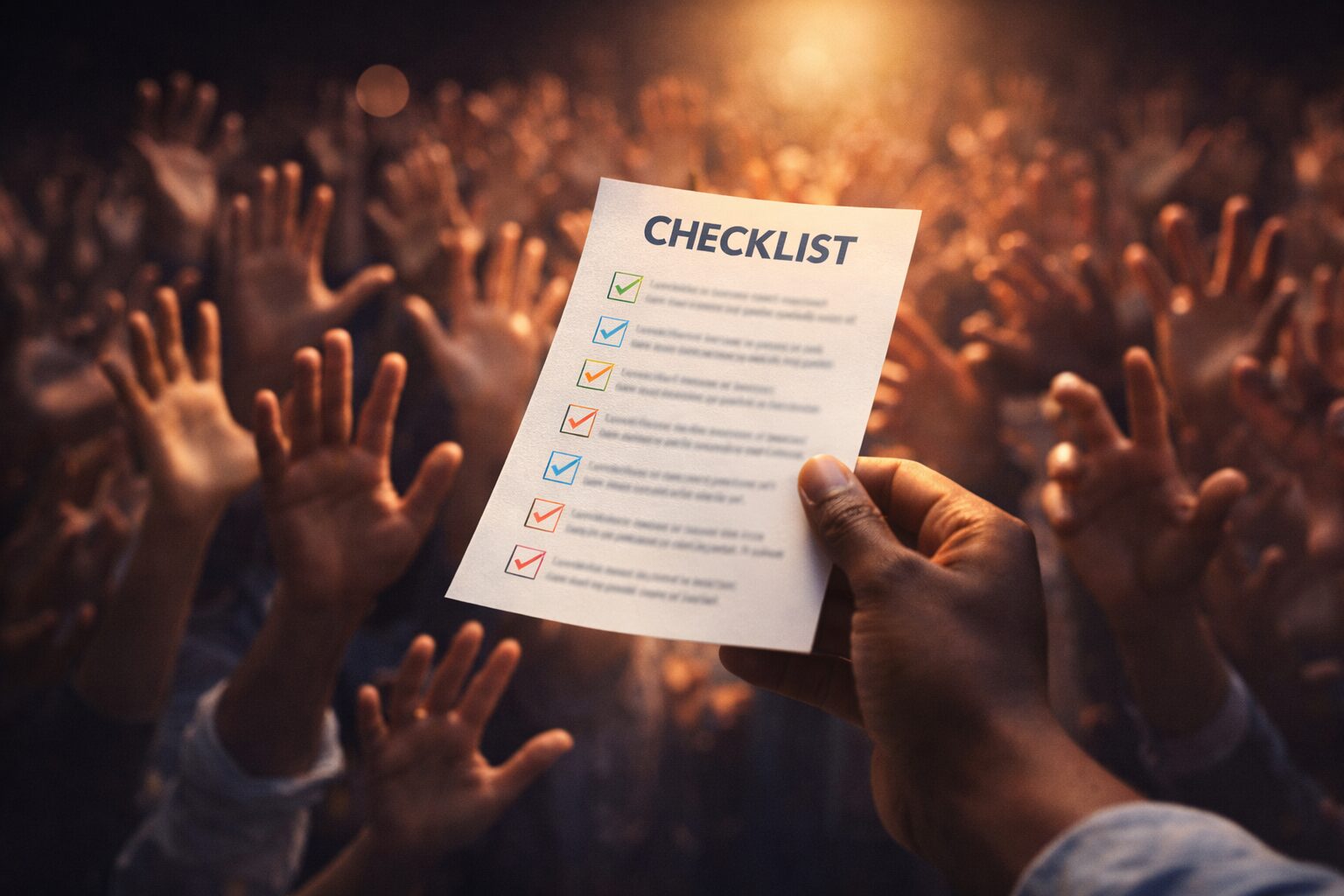
Checklists
A checklist is one of the easiest formats to create. It's just a list of things to do or check off.
Examples:
- "The 12-Point Pre-Launch Checklist"
- "Your Website Audit Checklist: 15 Things to Check"
- "The Complete Event Planning Checklist"
Why checklists work: People like having something they can print out and use. It's actionable right away. It's not overwhelming because it's just a list.
How long: One to three pages.
Cheat Sheets
A cheat sheet is a quick reference guide. It has the essential information condensed into a format that's easy to scan.
Examples:
- "ChatGPT Prompts You Can Copy and Paste"
- "Email Subject Line Formulas That Work"
- "The Social Media Content Pillar Breakdown"
Why cheat sheets work: People love feeling like they're getting insider information or a shortcut. It's fast to create and fast to use.
How long: One to two pages.
Short Guides or Workbooks
A guide walks someone through a process from start to finish. It has more detail than a cheat sheet, but it's still short.
Examples:
- "How to Price Your Services Without Undercharging"
- "Your First 30 Days: The New Product Launch Timeline"
- "The Simple 5-Step System for Writing Better Product Descriptions"
Why guides work: People want to understand the full picture, not just a quick shortcut. A guide that teaches a complete process is more valuable.
How long: Five to ten pages.
Templates
A template is something people can copy, fill in, and use immediately.
Examples:
- "Copy-and-Paste Email Templates for Your First 30 Days"
- "The Sales Page Template (Fill in the Blanks)"
- "Your Product Positioning Template"
Why templates work: People are busy. They like having something they can use right away instead of creating from scratch.
How long: Depends on the template, but usually one to three pages.
Quizzes or Assessments
A quiz gives people personalized results based on their answers. It can be fun, useful, or both.
Examples:
- "What's Your Marketing Personality?"
- "Which Pricing Strategy Fits Your Business?"
- "Your Customer Avatar Quiz"
Why quizzes work: They're interactive. People like discovering something about themselves. Results feel personalized and valuable.
How long: Ten to fifteen questions, then results.
Videos or Recorded Training
You can record yourself walking through a process or teaching something. This doesn't need to be professional or polished.
Examples:
- "How I Grew to 1,000 Email Subscribers in 6 Months" (recorded presentation)
- "Your First 30 Minutes on ChatGPT" (screen recording with voiceover)
- "Live Q&A: Your Biggest Selling Questions Answered"
Why videos work: Videos make you feel real and approachable. People connect with your voice and face. Some people prefer videos over reading.
How long: Ten to thirty minutes.
How to Pick the Right Topic
The best free resource topic solves a problem that real people are struggling with right now.
Here's how to find it:
Listen to the questions people ask.
Pay attention to what people ask you. In comments. In DMs. In emails. In conversation. Write down the questions you hear over and over.
If three people ask you the same question, that's your signal. That's a problem worth solving.
Look at what people are searching for.
Use a tool like Google Trends or AnswerThePublic. Type in a word related to your business. See what questions people are actually searching for.
Example: If you search "email marketing," you'll see people are searching "how to start email marketing," "email marketing for beginners," "how often should you email," etc.
These are real problems real people are trying to solve. These are good free resource topics.
Ask your audience directly.
Send an email or post on social media that says, "What are you struggling with right now? Reply and tell me."
You'll get ideas for weeks. Use these ideas. Create free resources that solve these exact problems.
Look at your own journey.
What did you struggle with when you were starting out? That's a free resource topic. What took you six months to figure out? Create a guide that helps others do it in one week.
Your experience is valuable. People want to learn from it.
How to Create It With AI
You can use ChatGPT or a similar AI tool to create your free resource much faster.
Here's the process:
Step 1: Outline it
Write down the structure. For a checklist, list out the items. For a guide, list the sections.
Step 2: Ask AI to draft it
Copy your outline into ChatGPT. Ask it to expand each section with helpful details.
Example prompt:
"Create a checklist for 'Before You Launch Your First Online Course.' The checklist should have 12 items. For each item, include a one-sentence explanation. Make the tone friendly and practical."
Step 3: Edit and make it sound like you
The AI draft will work, but it might sound generic. Read through it and add:
- Real examples from your own experience
- Specific tips or tricks you know
- Your personality and voice
- Stories or experiences that make it real
Step 4: Add design (optional)
You can keep it simple (just a PDF), or you can make it look nicer using Canva or a similar tool. But don't spend weeks on design. Simple is fine. Useful is what matters.
The whole process might take two to four hours. Without AI, it might take a full day or more.
Common Mistakes to Avoid
Mistake 1: Making it too long
People won't read or use a free resource that's 50 pages long. Keep it short. Checklists should be one to three pages. Guides should be five to ten pages. That's it.
If you have more to say, you can save that for a paid course or a book.
Mistake 2: Making it too vague
"10 Marketing Tips That Will Change Your Business" is vague. "5 Email Subject Lines Your Subscribers Will Actually Click" is specific.
Specific feels more useful. Specific is more shareable.
Mistake 3: Making it too salesy
Your free resource is not a sales page. Don't spend half of it explaining why you're amazing and the other half pitching your course.
Create something genuinely useful. Trust that people will want to buy from you after they experience your generosity.
Mistake 4: Solving too many problems
A free resource about "How to Start an Online Business, Build an Email List, Create Products, and Make Your First Sale" is trying to do too much.
Pick one problem. Solve it completely. That's enough.
Mistake 5: Using complicated language
Your free resource should be easy to understand. Avoid jargon. Explain things simply. Use short sentences.
If your ideal customer is someone who's not tech-savvy, write for them. Explain every acronym. Don't assume they know anything.
Examples for Different Businesses
Here are some free resource ideas depending on what you sell:
If you're a coach:
- Your Client Intake Questionnaire Template
- The Discovery Call Preparation Checklist
- How to Know You're Ready for Coaching (Quiz)
If you're a course creator:
- The Pre-Launch Checklist
- Your First Email Sequence Template
- The Course Topic Selection Worksheet
If you sell products:
- The Product Photography Checklist
- Your Competitor Analysis Template
- How to Write a Product Description That Sells (Guide)
If you're a freelancer:
- The Project Scope Template
- Your Freelancer Contract Checklist
- How to Set Your Freelance Rates (Guide)
If you're a service provider:
- The Client Onboarding Checklist
- Your Service Description Template
- The Pre-Service Consultation Form
If you teach something online:
- The Lesson Planning Template
- Your Course Outline Workbook
- The Teaching Video Checklist
What to Do Next
Stop waiting for inspiration. Pick one problem that your ideal customers struggle with. Pick a format (checklist, template, or guide). Give yourself one week to create it.
Use AI to speed up the process. Ask your audience what they need. Keep it short. Make it useful.
That's your free resource. That's your bridge to growing your email list.
Once you have it, share it everywhere. Put it on your website, in your bio, in your emails, on your business card. Make it easy for people to find and download.
The best part? Once you create your first free resource, you know the process. The second one is easier. The third one is even easier.
You're building something real. You're solving problems. People will notice. And they'll want to follow you.
What to Do Next
You know what to create and why it matters. The next step is actually making it. And the fastest way to create a free resource is to use ChatGPT effectively.
Get the exact prompts and process for creating a free resource using AI (plus how to avoid the common mistakes that make resources flop) in The ChatGPT Cheat Code.
Try It With AI
Ready to put this into action? Copy any of the prompts below, paste it into ChatGPT or Claude, fill in the [BRACKETS] with your info, and hit send. You'll have a solid first draft in minutes.
Prompt 1: Choose Your Topic:
My business is [YOUR BUSINESS]. My ideal customer struggles with [MAIN PROBLEM]. What’s one specific problem I could create a free resource to solve? Recommend a format (checklist, template, cheat sheet) and a title. Make sure it’s something they can use in under 20 minutes.
Prompt 2: Create Your Resource Outline:
I’m creating a [FORMAT: checklist/template/guide] called ‘[TITLE]‘ for [YOUR IDEAL CUSTOMER]. It should solve [SPECIFIC PROBLEM] in under 20 minutes. Create an outline for this resource with 8-12 main points. Each point should be actionable and immediately useful.
Prompt 3: Draft the Full Resource:
Here’s the outline for my free resource: [PASTE OUTLINE]. Expand each point into 1-2 paragraphs of helpful detail. Make the tone warm and practical, like a friend explaining something. Keep the whole thing to 5-10 pages maximum. I want it to feel genuinely helpful, not like a sales pitch.
A free resource is the bridge between someone who doesn’t know you and someone who becomes your customer. Don’t overthink it. Pick a problem, solve it completely, share it everywhere.
